A Designer's Hands-On Review of the Plug Silhouette Bundle
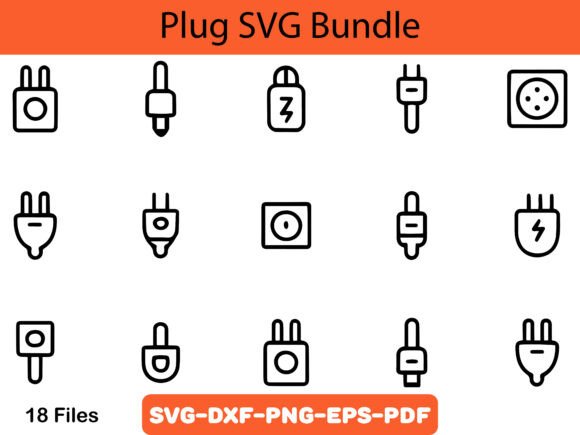
When I'm evaluating an embroidery design for real project work, my first thought isn't about the file format or the download speed. It’s about the stitch. I’m looking at the Plug SVG Bundle, Plug Silhouette, and I’m imagining how it will translate from a digital graphic on my screen to physical thread on fabric. That translation is everything for my client projects and my own handmade products.
The First Impression: Quiet Confidence & Modern Utility
The design’s mood is clean and confident. The silhouette isn’t trying to shout; it’s declaring a simple, modern utility. This is a huge advantage in embroidery, where overly complex shapes can become muddled. The layout feels balanced, and the detail level is intentional—it’s built for stitch clarity, not just pixel perfection. This visual personality lands squarely in contemporary craft. It doesn’t scream "baby" or "holiday"; it’s more versatile, leaning towards everyday elegance and personalized statements.
I immediately picture it on a high-quality cotton tote bag for a small shop. It’s the kind of subtle branding a boutique owner would love, or a personalized gift for someone who appreciates minimalist design. It belongs on projects where the craftsmanship—the clean satin stitch outline, the precise fill stitch areas—needs to be the star.
Where This Design Performs Brilliantly in Real Projects
Let’s talk about application. I’m preparing a custom embroidered sweatshirt for a client’s small business merchandise. The Plug silhouette here is perfect. It’s substantial enough to be recognized on a heavyweight garment but not so dense it would stiffen the fabric. On a tea towel or a linen pillow cover, it would create that lovely, understated home decor that sells well on Etsy. As an embroidered patch, it would be crisp and professional.
For baby clothes or nursery decor, in softer pastel threads, it could become a modern, gender-neutral motif far from typical cartoonish themes. As a holiday gift—think a beautifully embroidered apron or kitchen towel—it feels timeless rather than seasonally locked. For craft fair products, its versatility is a boon; you could offer it on a cap, a tote, and a tea towel from the same core embroidery file, creating a cohesive line for your booth. In digital product previews and printable mockups for your own digital shop, its clear shape makes for excellent presentation.
The Caution Zone: Where to Tread Carefully
Now, the practical realities. Every designer knows a good graphic doesn’t automatically mean a good machine embroidery design. On very small hoop sizes, some of the interior spaces might need attention. If those areas are too tiny, the stitch density could become problematic, creating a puckered look. On textured fabrics like some sweaters, the silhouette’s smooth edges might break up a little—a good stabilizer choice is key here.
On dark fabric, the contrast needs to be planned. You might consider a lighter fill stitch or even an applique approach if the design allows. Stretchy fabric and curved surfaces like caps demand extra stabilization to keep that clean shape from distorting. And on products destined for frequent washing, like baby items, you’d want to test the durability of any fine details. The design’s strength is its clarity, so preserving that on the final finished product is the goal.
How This Silhouette Elevates Your Final Product
This is where the review goes beyond the stitch. Using a design with this kind of intentional simplicity directly affects customer trust and perceived value. On a personalized gift, it looks considered and professional, not hastily chosen. For your craft business, it reinforces brand consistency if your style leans modern. Its giftability is high because it’s not niche; it’s widely appreciable. The recognition is instant—it’s a clear, familiar object—which aids in buyer engagement at a craft fair or in an Etsy listing. Ultimately, it supports a handmade presentation that feels skilled and deliberate.
My Essential Designer Notes Before You Hoop It
Always, always test on scrap fabric first. Use the same material you intend for the final project. Check thread color contrast against your background fabric in both natural and indoor light. Review the stitch paths in your software; look for any potential jumps or overly dense areas that might need tweaking.
Confirm the physical hoop size you’ll need for the design to stitch cleanly. Inspect any small details in the file—sometimes a graphic element looks fine but creates a fragile single stitch line in embroidery. Test the design in simple black and white mockups to see its pure form. Compare how it would look on both light and dark fabric texture backgrounds.
Use proper stabilizer. This is non-negotiable for preserving the design’s integrity. Crucially, check whether the design’s license covers both personal and commercial projects. If you’re an Etsy seller or small shop product creator, you must confirm licensing before selling finished items or using it in commercial embroidery. The product description mentions versatility for many tasks, but the specific terms are essential. Don’t assume; verify.
Finally, trust your gut as a maker. If the Plug Silhouette Bundle’s mood aligns with your project’s intent—whether it’s a custom apparel piece, an embroidered patch, or baby embroidery—it will serve you well. Its strength is in its adaptable, clean execution. It’s a design asset that, with careful embroidery practice, turns into a product that feels both handmade and perfectly professional.