Happy Pawlidays: A Designer’s Review for Real Embroidery
The First Stitch: What This Design Feels Like
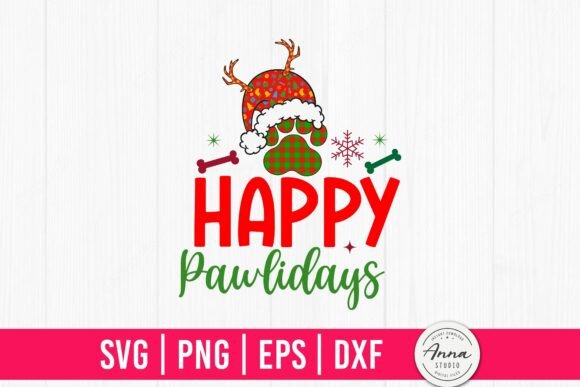
Opening the Happy Pawlidays SVG file, the immediate impression is one of cheerful simplicity. The theme is clear and warm—a playful, holiday-centric message that’s built for pet lovers. The layout isn’t overly complex; it has a personality that feels friendly and approachable rather than formal or ornate. For an embroidery designer, this signals a design that belongs on items meant to convey warmth and personal connection. It doesn’t scream for attention with intricate detail, but instead offers a clean, recognizable graphic that will translate well into stitches. The mood it creates is uncomplicated joy, perfect for the holiday embroidery projects we all love to make and gift.
Where This Design Finds Its Home
In practice, this is a design that begs to be stitched onto something tangible. Imagine a custom order for an embroidered tote bag from a client who wants a unique holiday gift for a dog owner. Or a small shop owner looking to create a limited run of embroidered patch sets for the season. The Happy Pawlidays SVG fits naturally on a canvas tote, a cozy sweatshirt cuff, or the corner of a baby embroidery blanket. It would shine on a kitchen towel in a pet-friendly home or as a sweet, small motif on a cap. For Etsy sellers and craft business owners, this design offers a ready-made asset for personalized gifts—think embroidered pillow covers for a nursery or a simple, heartfelt design on an apron. Its scale and theme make it ideal for craft fair products and boutique branding where a quick, recognizable, and emotive design adds value without overwhelming the product.
A Real Scenario: The Holiday Tote Bag
Let’s walk through a real case. You’re preparing a batch of embroidered tote bags as small shop merchandise for the holidays. You load this embroidery file, choose a cheerful red thread for the lettering, and perhaps a complementary tone for the paw element. On a sturdy cotton bag, with the right stabilizer, the design stitches out cleanly. The result isn’t a dense, heavy embroidery that stiffens the fabric; it’s a decorative accent that enhances the bag’s handmade presentation. A customer browsing your stall sees it immediately—the message is clear, the craftsmanship evident. It feels giftable, professional, and specific. That’s the practical value here: it turns a generic bag into a targeted, finished product with high visual appeal and customer recognition.
Considerations for Stitching Success
While the design is charming, its application requires thoughtful execution. The clarity of the lettering and any small decorative elements is paramount. On textured fabrics like some sweaters, or on dark fabric backgrounds, you must carefully select thread colors with strong contrast to maintain stitching clarity. Small hoop sizes should work fine given the likely scale, but always check the design’s dimensions in your software before committing. On stretchy fabric or thin fabric like some baby clothes, you’ll need to be extra vigilant with your stabilizer choice to prevent puckering.
Areas with potential detailed corners or the paw shape itself should be observed in a test run. A satin stitch border or a fill stitch area, if present in the interpreted embroidery, needs appropriate stitch density so it doesn’t look sparse or become too dense and rigid. For items like curved caps or layered garments, consider how the design’s layout will sit on that surface. And for products destined for frequent washing, such as tea towels or apparel, a robust embroidery with good thread anchoring is key to longevity and customer trust.
Where to Use With Extra Care
- Very small-scale applications: If reducing it drastically for a tiny patch, ensure the lettering remains legible.
- Highly textured backgrounds: Burlap or heavy knits can obscure clean lines.
- Projects with multiple design layers: This design works best as a focal point or solo accent, not crowded among other complex elements.
- Commercial embroidery on dense, dark materials: Thread color choice and lighting are crucial for impact.
The Impact on Your Work and Your Customer
Using a design like Happy Pawlidays SVG effectively elevates your product. For a creative entrepreneur, it provides a cohesive design asset that can be replicated across a product line—totes, shirts, towels—creating brand consistency. The handmade presentation feels intentional and skilled, not slapped-on. This builds customer trust and engagement; people respond to clear, well-executed themes. As a personalized gift, an item embroidered with this design carries a specific sentiment, increasing its perceived value and giftability. For digital product sellers offering printable mockups or using it in digital product previews, it serves as a versatile, appealing graphic that communicates the niche instantly.
Practical Notes From the Hoop
Before you run this machine embroidery design on a final project, do the groundwork. Always test the design on scrap fabric first, using the same material and stabilizer as your final product. This reveals any issues with stitch density or small details. Check thread color contrast by viewing the design in both black and white mockups, and compare how it might look on light and dark fabric backgrounds. Confirm hoop size suitability and inspect any tiny elements in your embroidery software’s preview.
Regarding licensing, since this is described as a digital file for cutting machines, it’s imperative for any commercial embroidery or sale of finished products that you confirm licensing before selling. Understand whether it’s for personal use only, or if commercial application is permitted. This is a fundamental step for professionalism and legal safety in your craft business.
A Final, Friendly Reminder
The Happy Pawlidays SVG, from a designer’s eye, is a lovely, straightforward graphic ripe for embroidery translation. It won’t solve every project need, but for holiday-themed, pet-centric, warm-hearted items, it’s a strong candidate. Its success lies not in the file itself, but in how you, the maker, apply it with consideration for fabric, thread, technique, and purpose. Pair it with good craftsmanship, and it will become a small, joyful detail on a product that someone truly loves—which is, after all, the point of what we do.